

Hausmittel testen oder lieber professionelle Lederpflegemittel verwenden ?
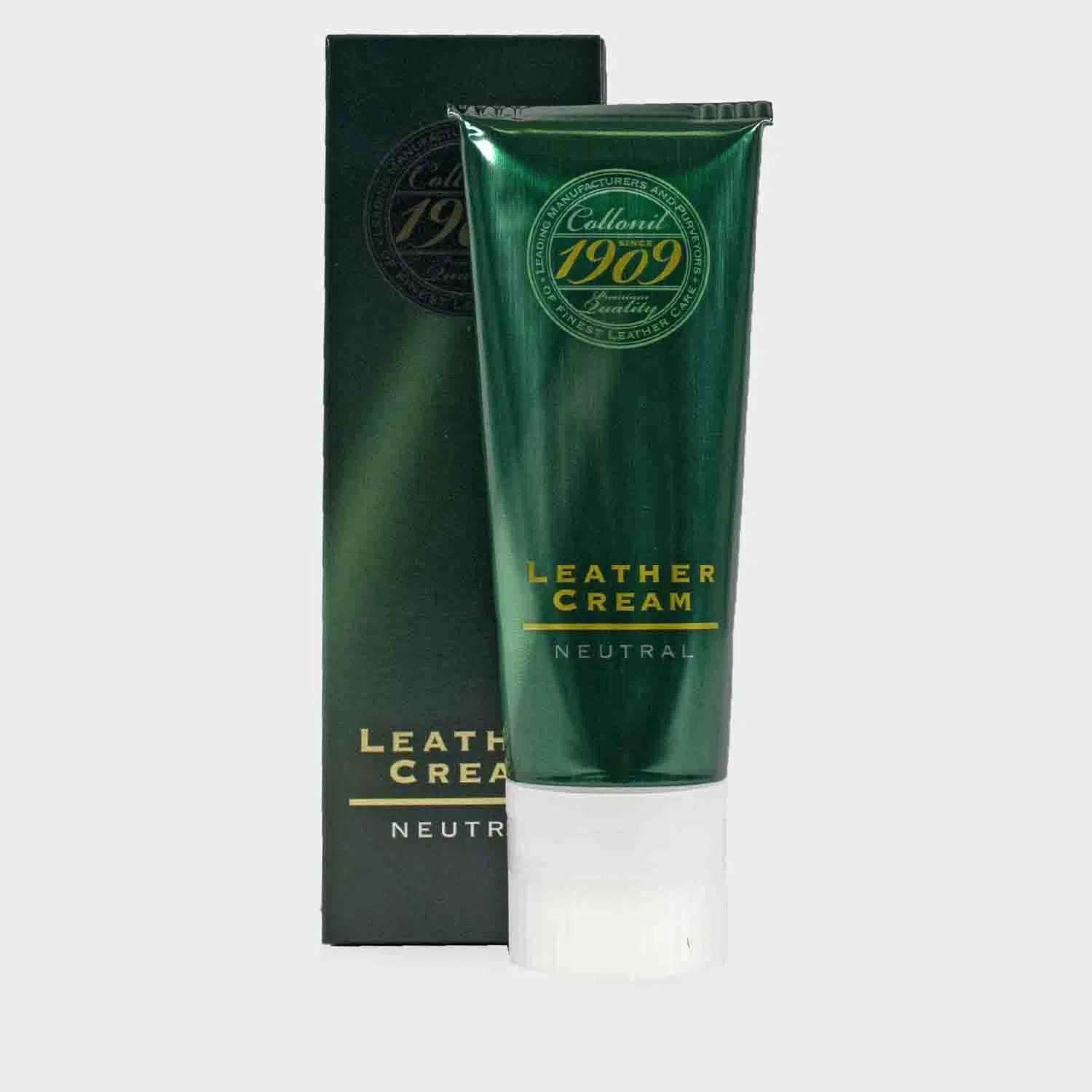
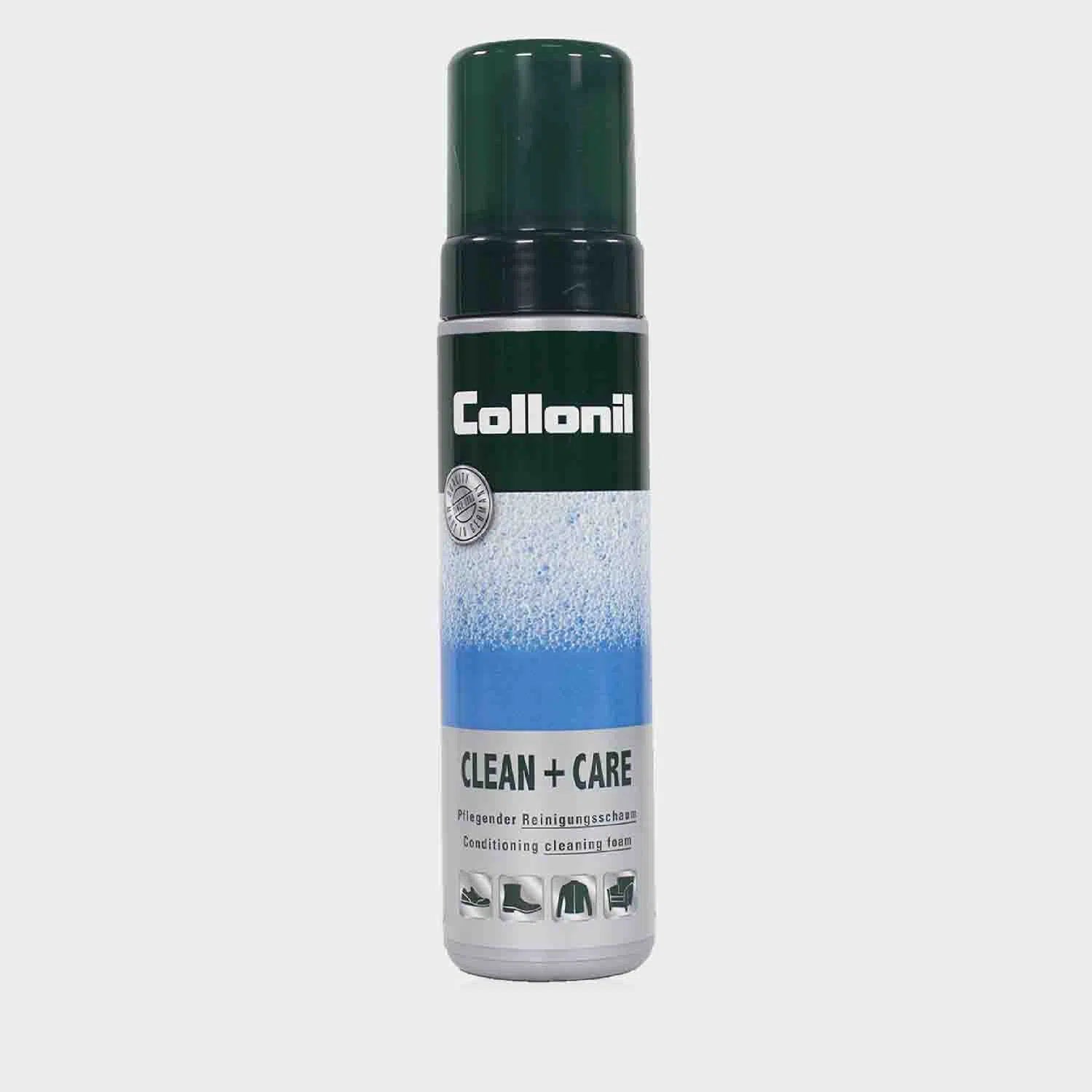
Traditional craftsmanship and high-quality leather have always formed a perfect symbiosis, creating timeless companions that last forever. Whether it is a valuable handbag, your favorite shoes or your sofa: if you want to preserve the beauty of leather over the long term, you should place value on high-quality care. From suede to rough and smooth leather: there are numerous types of leather that require their own and individual care. While you can give smooth leather shoes a new shine with a care cream, for example, choose
For suede it is better to use a gentle cleaning foam.
Even with a handbag, the care of the leather always depends on the type of material. You can get special care creams for smooth leather, while suede should be cleaned with care sprays or cleaning rubbers for small leaks and dirt. Home remedies that you can make yourself or buy in the drugstore can also be used in some cases. However, experts generally recommend treating traditional handicrafts made from high-quality leather with a special care product from a specialist retailer. This way you can avoid unpleasant surprises that can occur with some home remedies. In the "World of Leather" guide you will find the most important leather tips and can find out about the different types of leather and the appropriate cleaning and care. We explain step by step how you can maintain the longevity of leather and what you should avoid when caring for it.

Cream, Oil & Co. - an overview of leather care products
Nowadays, there are numerous leather care products available. But which care products are suitable for what and what do the products consist of?
Protection against discoloration and fading - with a care cream
A care cream has a re-greasing effect and is usually applied with a soft cloth. The UV filter it contains protects the leather from fading. Some care creams also contain antioxidants. They are intended to counteract the natural aging of the leather.
To optimally complement leather care, experts recommend regular use.
Protection against signs of aging - through a high-quality care milk
A care milk consists of water, fat and oils. It is applied to the leather as a thin emulsion with a soft cloth and worked in. This way you can prevent signs of aging and give the leather a well-groomed appearance.
New shine for old leather - with oils
Leather oil consists of various oils as well as waxes and preservatives. These penetrate deep into the leather and have a regreasing effect. This makes old, dried-out leather supple again and gives it a fresh shine. However, leather oil should only be used for coated leather. Open-pored rough or aniline leather cannot tolerate it.

For beautiful shoes - care with leather grease
Leather grease is made from Vaseline or animal fats and is generally used for shoe care. It has a regreasing effect and should therefore be used sparingly. The grease also has water-repellent properties, making it ideal for cleaning outdoor and work shoes made of covered smooth leather. On open-pored rough or aniline leather, it can leave stains or residues that are often difficult to remove.
Properly care for outer leather - with a balm
A leather balm is made from resins or waxes. It is best suited for waterproofing covered smooth leather. The balm has a water and dirt repellent effect. This makes it ideal for outdoor leather. The polishability of resins and beeswax as well as their pore-closing properties are not suitable for vehicle leather or furniture.
The Right Leather Care - Step by Step
To maintain the beauty and longevity of leather, individual care is essential. Here, we explain how best to care for different types of leather and what you should avoid.
Cleaning Smooth Leather
With smooth leather, a general distinction is made between sealed and unsealed leather. It's best to put a drop of water on the leather before cleaning. If it doesn't soak in immediately, it's sealed material that has been closed with dye or wax. With unsealed smooth leather, the drop of water quickly soaks in and leaves a small stain. This disappears as soon as the water has evaporated.
Washing sealed smooth leather
If you wash sealed smooth leather, the suds will penetrate the material from the unsealed reverse side. Therefore, you should read the manufacturer's care instructions before washing. Depending on the type of tanning, you can hand wash the leather with a special leather detergent.
The Right Leather Care - Which Products Can I Use?
Not only the traditional craftsmanship requires expertise and know-how. The care requirements of the leather products are also
individual and depend on various factors. These include how a leather was made, how it is processed, what it is used for, how old it is and how intensively it is used.
For example, a high-quality shoe should be given a beautiful shine and waterproofness through appropriate care. Car leather or furniture leather, on the other hand, is usually matt. The properties and appearance of the material should be preserved. In this case, you therefore want protection against abrasion and dirt or discoloration. If it is older car leather, the material needs above all re-greasing to prevent it from becoming brittle and UV protection to protect it from damage caused by the sun.
Over time, leather can develop various problems. These include rough surfaces and areas of breakage due to aging, dirt, scratches and discoloration, as well as a lack of shine or stains. Numerous problems can be remedied or prevented with a suitable leather care product. Time and again, you also read about leather tips that recommend home remedies. Whether Nivea milk or castor oil: these so-called insider tips should generally be treated with caution. Modern leather requires coordinated care. In the past, it was often vegetable-tanned. This made it thicker and more robust. This meant that it could be greased with various products. The main focus here was on impregnation with fat. Modern types of leather, on the other hand, are tanned differently. They are therefore often thinner and softer. This is why the care requirements also change. If in doubt, high-quality leather care should always be preferred to home remedies and leather tips. The negative effects of fats and other liquids that can go rancid in leather should not be underestimated.
Washing unsealed smooth leather
Unsealed smooth leather should not be washed as it can get wet. The danger: the fats contained in the leather will be washed out and it can become hard and brittle. Dirt can be removed more easily with a soft hand brush. If this is not enough, it is recommended to use a special leather detergent.
caring for smooth leather
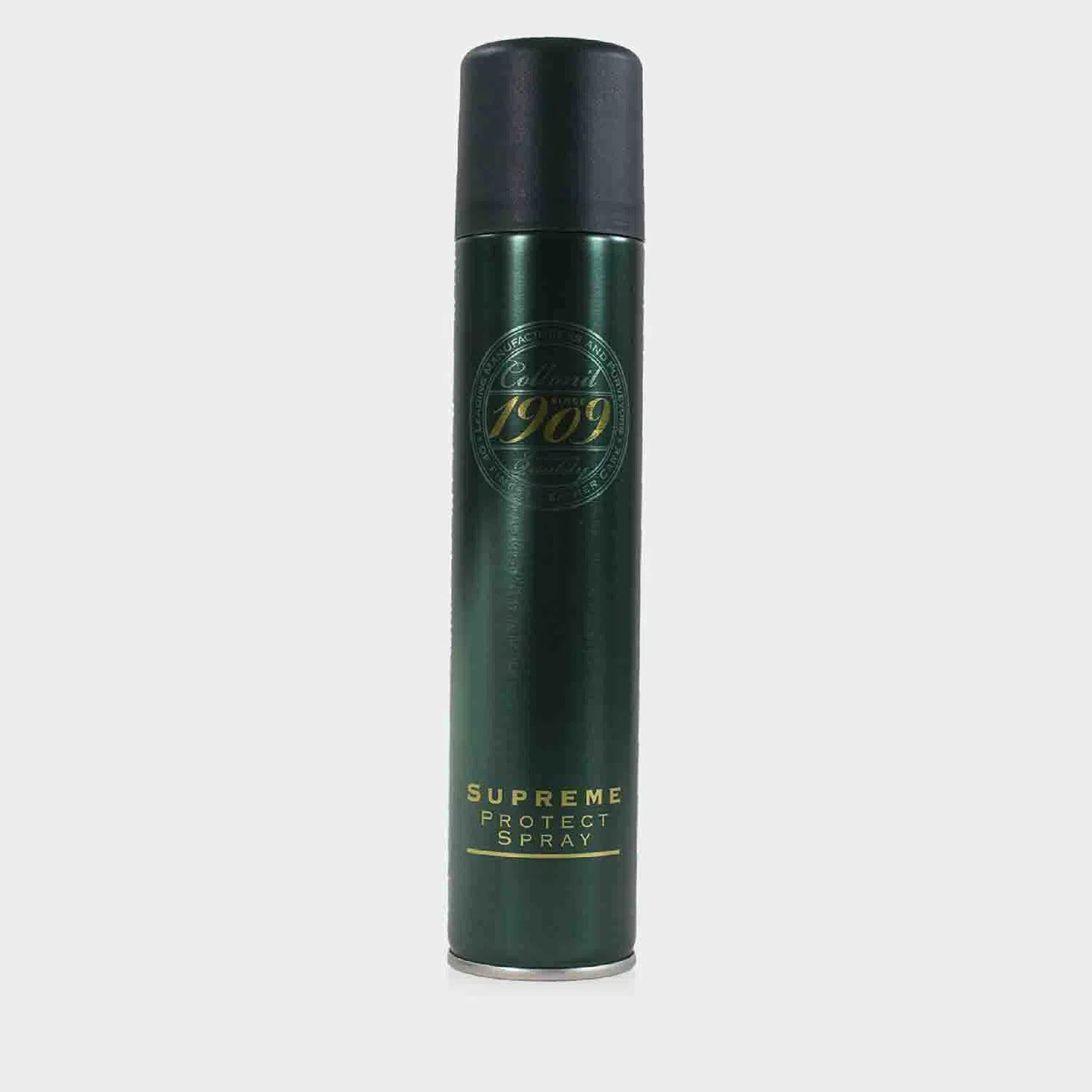
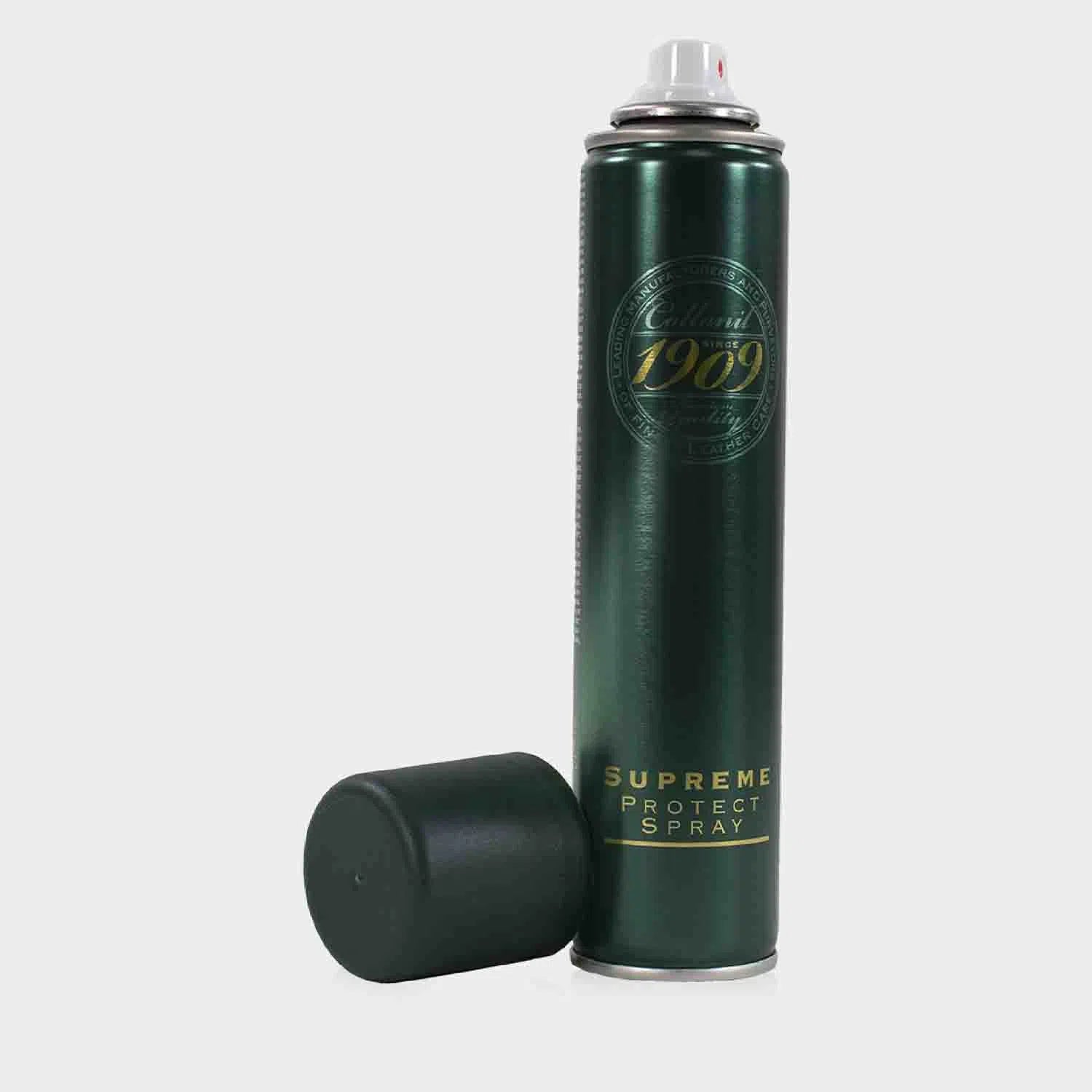
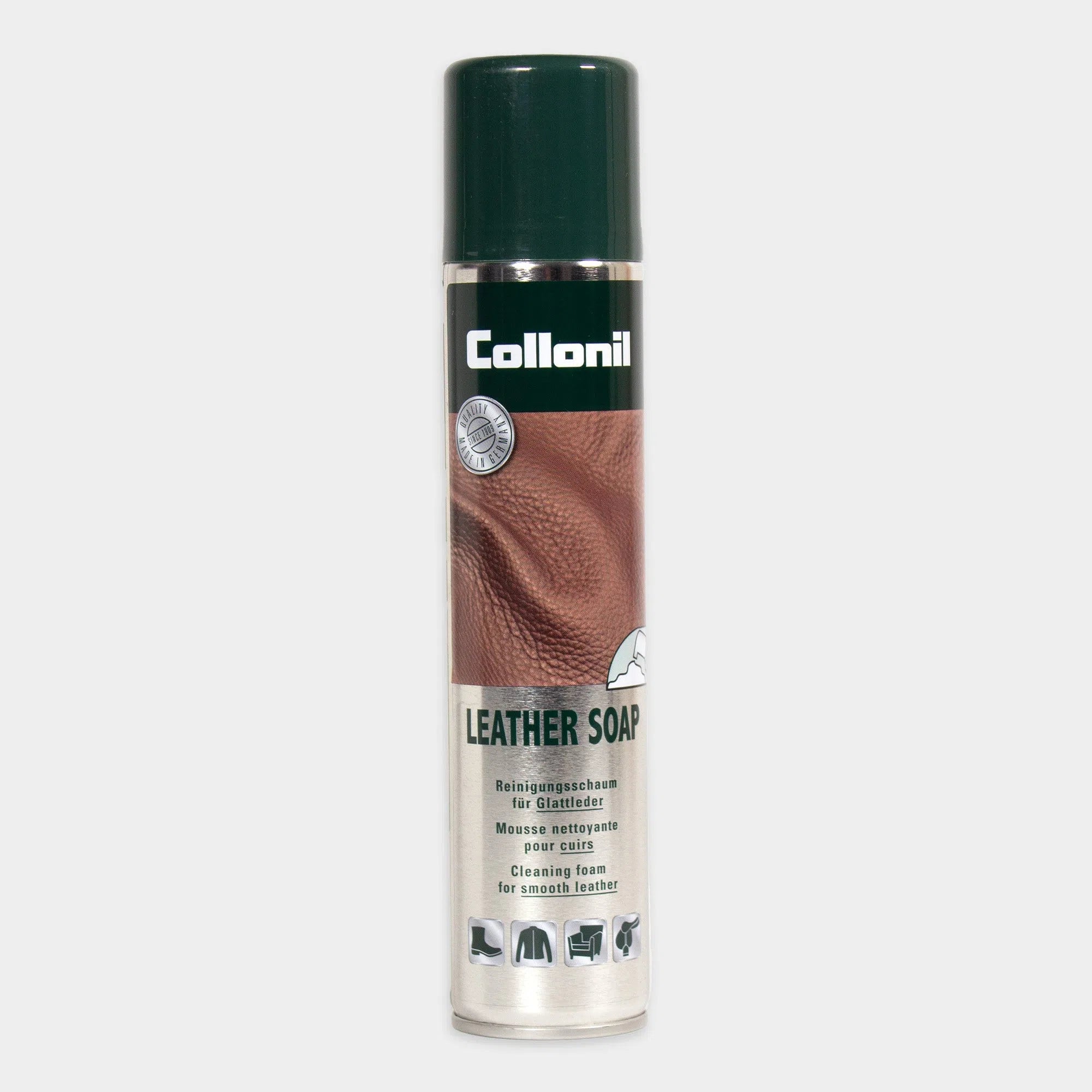
After washing, the leather needs high-quality care products. Ideally, you should rely on manufacturers who have experience and know-how. One of the most popular leather care brands is Collonil, which offers special care for a wide variety of needs and leather products. Whether shoe polish or leather balm for bags: Collonil impresses with its diverse range and high quality. In the end, you will be pleased with the longevity of your leather products and save money.
cleaning suede
Suede is roughened leather with a more or less velvety surface. This includes suede, velour leather and nubuck leather. Dust and loose, dry dirt can best be removed with special brushes. Light dirt on clothing, shoes and furniture can be removed with a nubuck eraser. If the dirt is heavier, a
Special brush with brass bristles recommended.
Cleaning patent leather
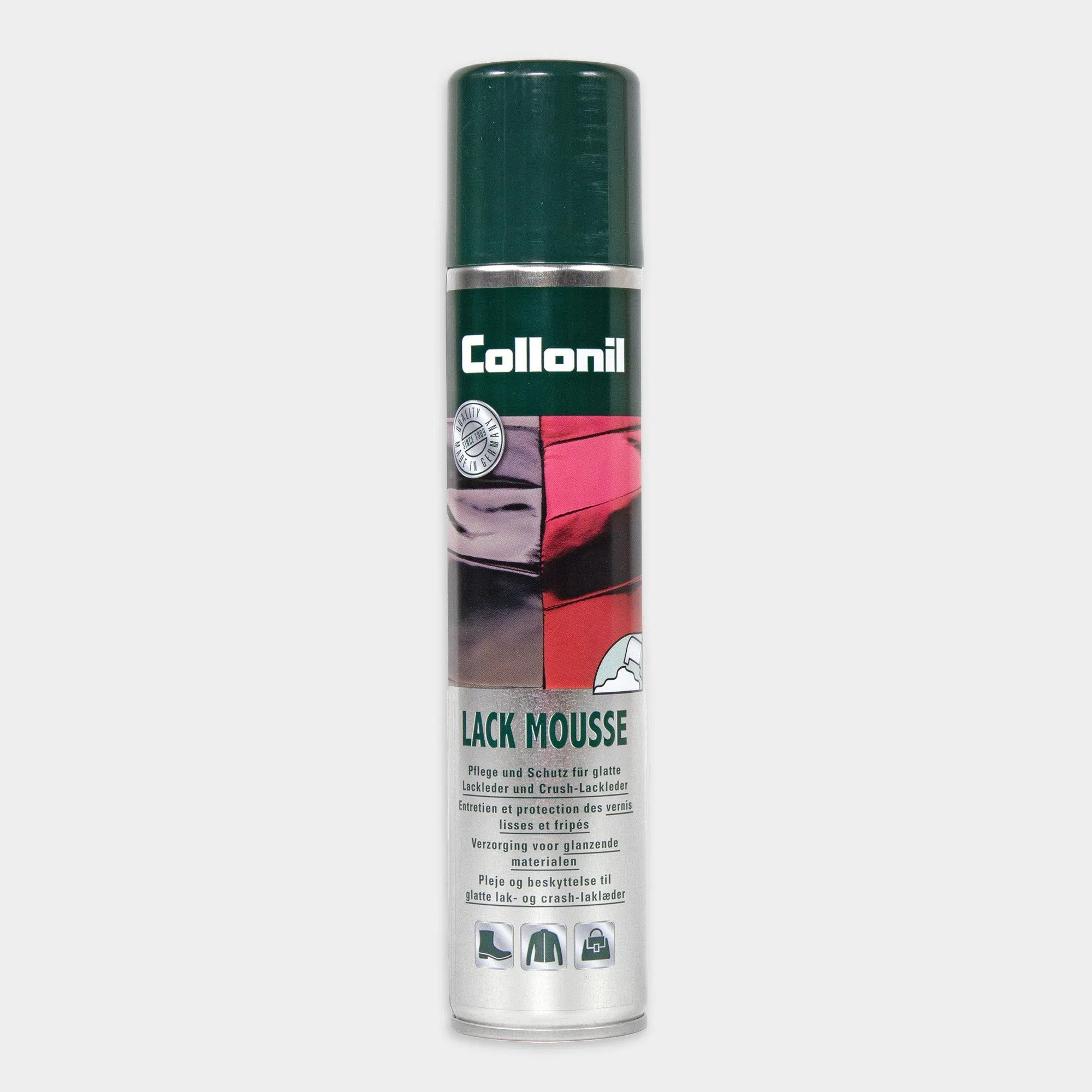
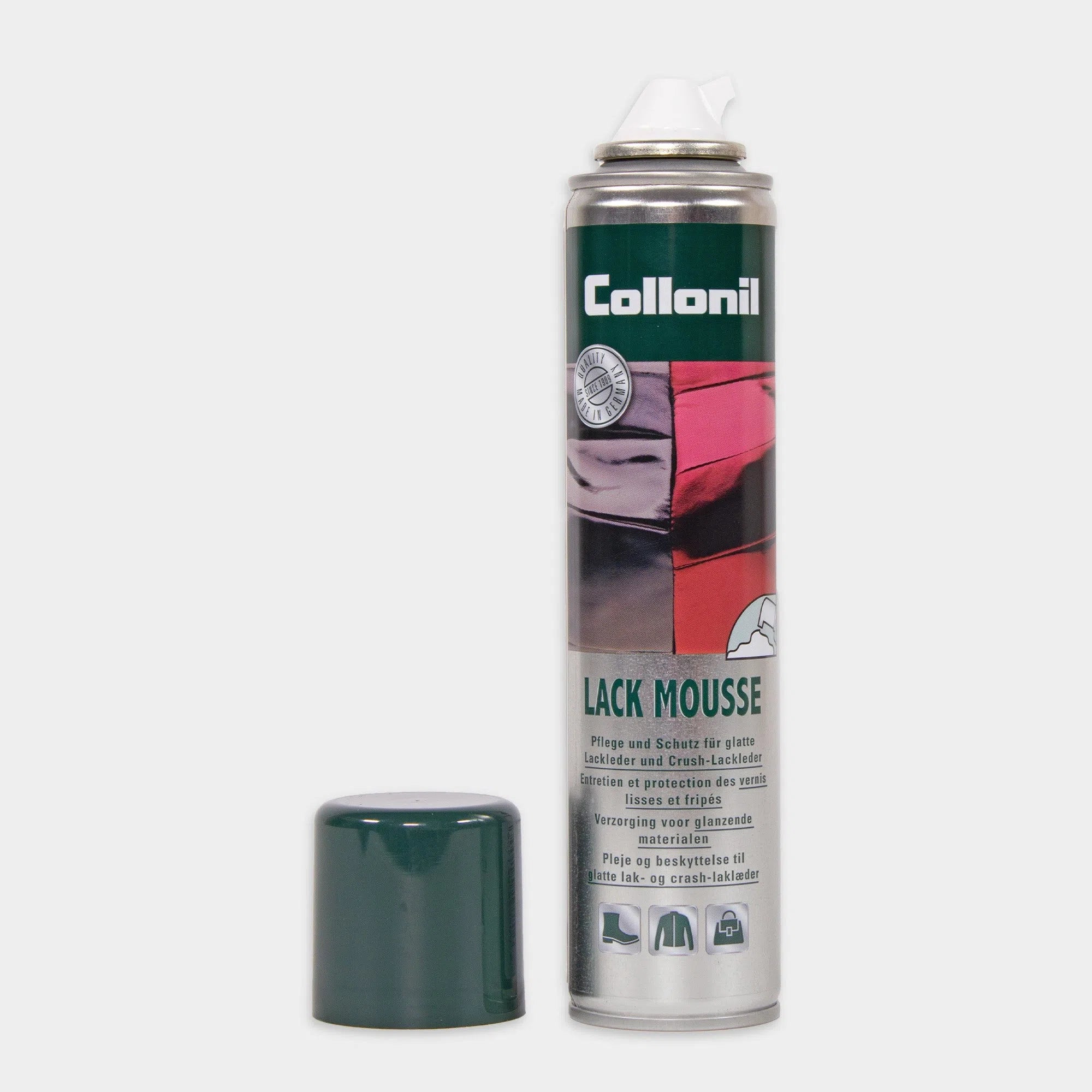
Patent leather is high-gloss leather that has a sealed, varnished or glossy film on the surface. If you want to clean it, you can rinse it with water or use a damp cloth that has been soaked in neutral cleaner. Special patent leather products are suitable for care. Washing is not possible.

Removing Stains from Leather - How to Do It
Chewing gum, candle wax, and glue
Spray some ice or cooling spray onto the stain and carefully lift it off with the back of a knife.
Liquids
If a liquid drips onto the leather, it helps to immediately blot it with paper towels. If it is absorbent leather, you can press a tissue onto the stain.
Coffee, Juice, and Tea
If coffee, juice, or tea gets on leather, it should be dabbed with a white cloth that has been moistened with vinegar. For smooth leather, a cotton cloth can be used and rubbed over the stain. For suede, only dab.
Grease stains
If you discover grease stains on leather, you should sprinkle some baking powder on them as quickly as possible and let it sit for about an hour. After that, add a few drops of water and wait until the powder is dry. Then, carefully brush it off.
The perfect leather care - what matters most
Traditional craftsmanship and a love of leather have accompanied us at BRAUN BÜFFEL for 135 years. As a leather manufacturer, we know how important it is to pamper your favourite pieces with the right care. Therefore, coordinated care is always the best choice for high-quality leather. Small household remedies can help in an emergency, but they usually cannot replace a leather care product. If you lovingly care for your leather products from the start, you will always enjoy their longevity.

Our Care Products