










Darauf sollten SIe beim Kauf von Lederpflegemitteln achten
New leather needs no care? Wrong. If you want your beloved shoes, leather jackets, wallets, and the like to last, proper care is essential. But: leather care products are not all the same. Even though most leathers are uniformly and surface-dyed, there are still significant differences in their care requirements. The enormous selection of creams, oils, and greases further adds to the confusion. We'll tell you which product is right for your favorite leather goods and what to look for when buying.
Why should I care for my leather?
The selection of shoe creams, oils, and other products is huge. However, out of fear of using the wrong care product, many people completely refrain from using any. This is the wrong approach: (Almost) every care product is usually better than none at all. Even if there is virtually no risk of new leather drying out or becoming brittle at first, one should start with leather care in good time. Especially light-colored leather gets dirty quickly, shows visible signs of wear, or in the worst case, even discoloration from clothing, such as dark jeans. To avoid this, there are special care products.

WHAT SHOULD I CONSIDER WHEN BUYING LEATHER CARE PRODUCTS?
In general, it is not just the quality (and price) of the care product that is important, but above all the type of leather that is to be treated. Leather can be new or used, matt or shiny, perforated, embossed or even have decorative stitching. If the leather is particularly valuable, higher quality care products should be used. Synthetic oils are used here, which do not go rancid and do not provide a breeding ground for bacteria and mold. In addition, additional UV filters prevent the leather from being bleached by the sun. It is advisable to do a "sniff test" when buying leather care products: a strong odor is not a problem for shoes, but can be unpleasant on jackets, bags or purses. If in doubt, the effect of care products can always be tested on a hidden area beforehand. In addition, the care product should always be applied with a light-colored cloth.
THESE LEATHER CARE PRODUCTS ARE SUITABLE FOR YOUR LEATHER
- Shoe polish is used to clean shoes made of smooth leather and also has a waterproofing effect. This creates a stable yet elastic film on the leather, which protects against moisture, dryness or friction. The rule here is: less is more. Too much of a good thing can impair the breathability of the leather and damage the fibers.
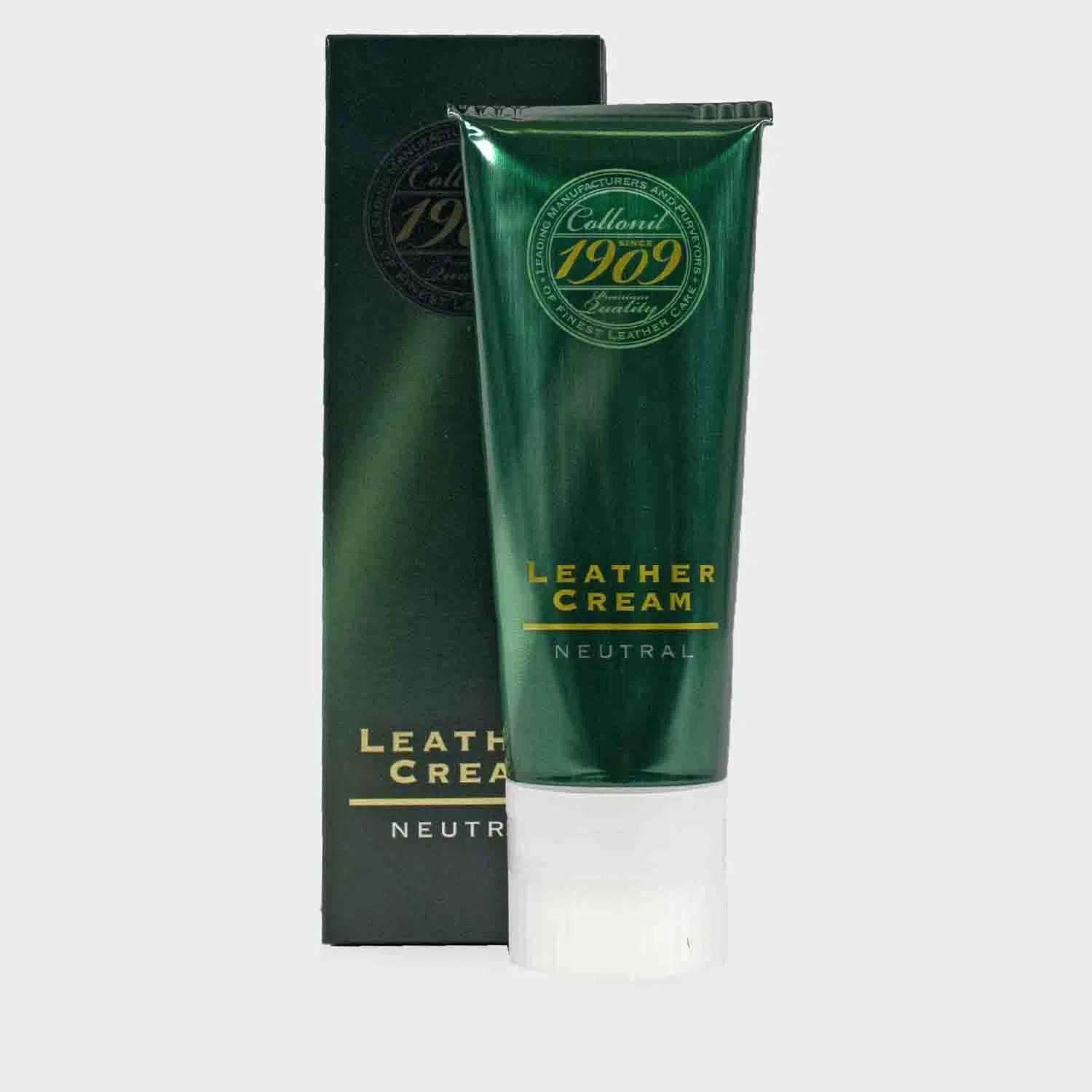
- After thorough cleaning, care creams should be applied with a soft cloth and will replenish the leather's oils. Some products also contain antioxidants that counteract the natural aging of the material.
- In contrast to care cream, care milk is thinner because it contains water as well as fats or oils. This is why the milk penetrates deeper into the leather fibers after it has been worked in with a soft cloth. Care milk is particularly recommended for open-pored suede types due to its high water content, as these do not produce grease or wax stains.
- Leather oil is ideal for smooth leather, as its liquid consistency means it can penetrate deep into the fibers and replenishes the leather's fat. Even very old, dried-out leather becomes supple again with leather oil and gains a fresh shine.
- Leather grease has a nourishing and water-repellent effect, especially on outdoor or work shoes made of smooth leather. The formula based on Vaseline or animal fats is very moisturizing and should therefore only be used sparingly to avoid causing stains.
- Leather balm is primarily used to waterproof smooth leather products, as its pore-closing properties make it highly water and dirt repellent. Leather balm is made from resins or waxes and is best suited for leather that is exposed to wind and weather - such as shoes.
- Shoe polish is considered the forerunner of shoe cream and has either a greasy, soapy or watery consistency. The origin of the term probably goes back to the waxing of leather shoes. In addition to fat, resin and soot, shoe polish consists largely of wax and is therefore particularly nourishing.
- Household remedies such as Vaseline, fatty moisturizer or coconut oil are also suitable for gentle and inexpensive leather care. These products penetrate deep into the pores and ensure that the leather remains beautifully supple. Coconut oil has a particularly moisturizing effect and leaves a fine protective layer on the surface of the material that protects against moisture or sunlight.
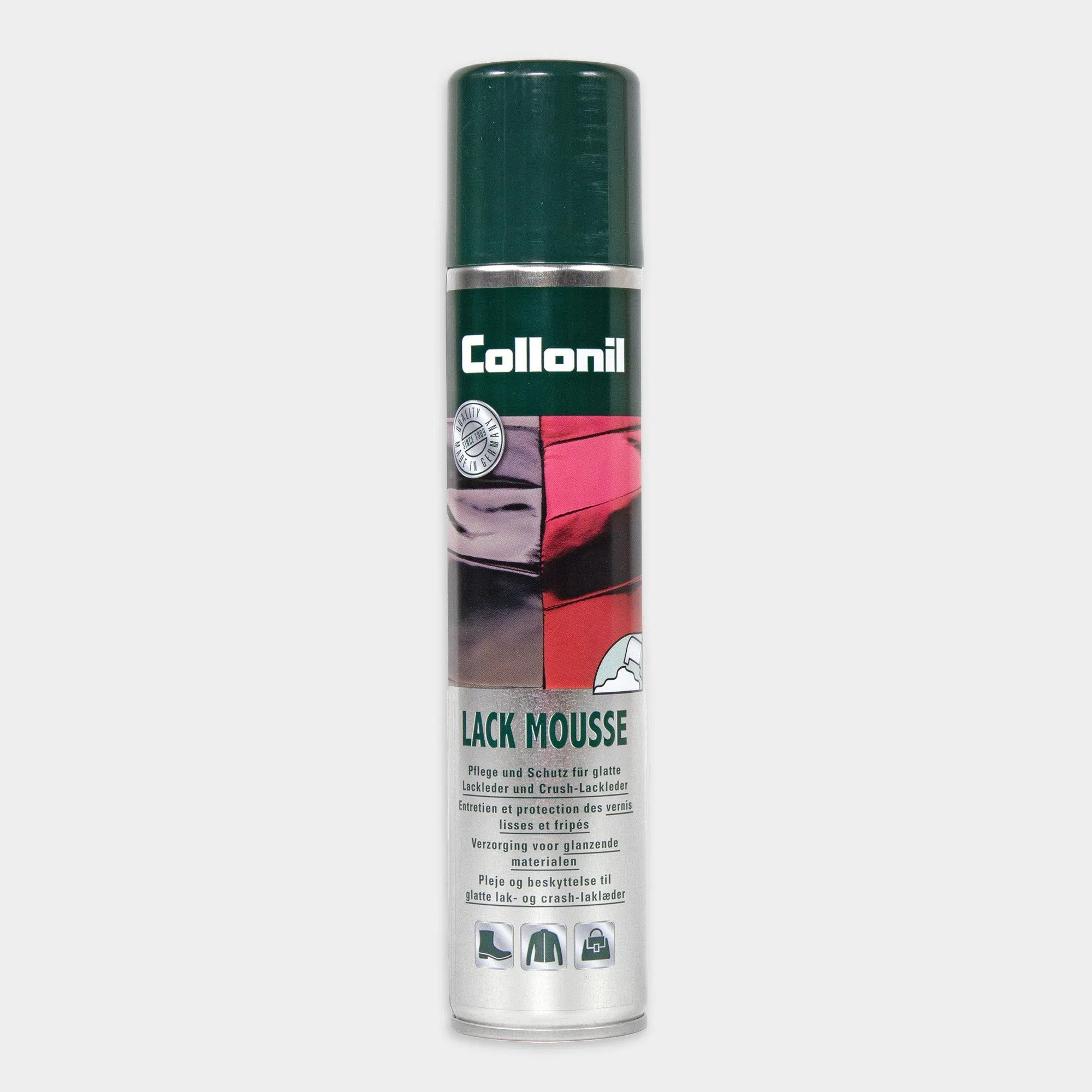
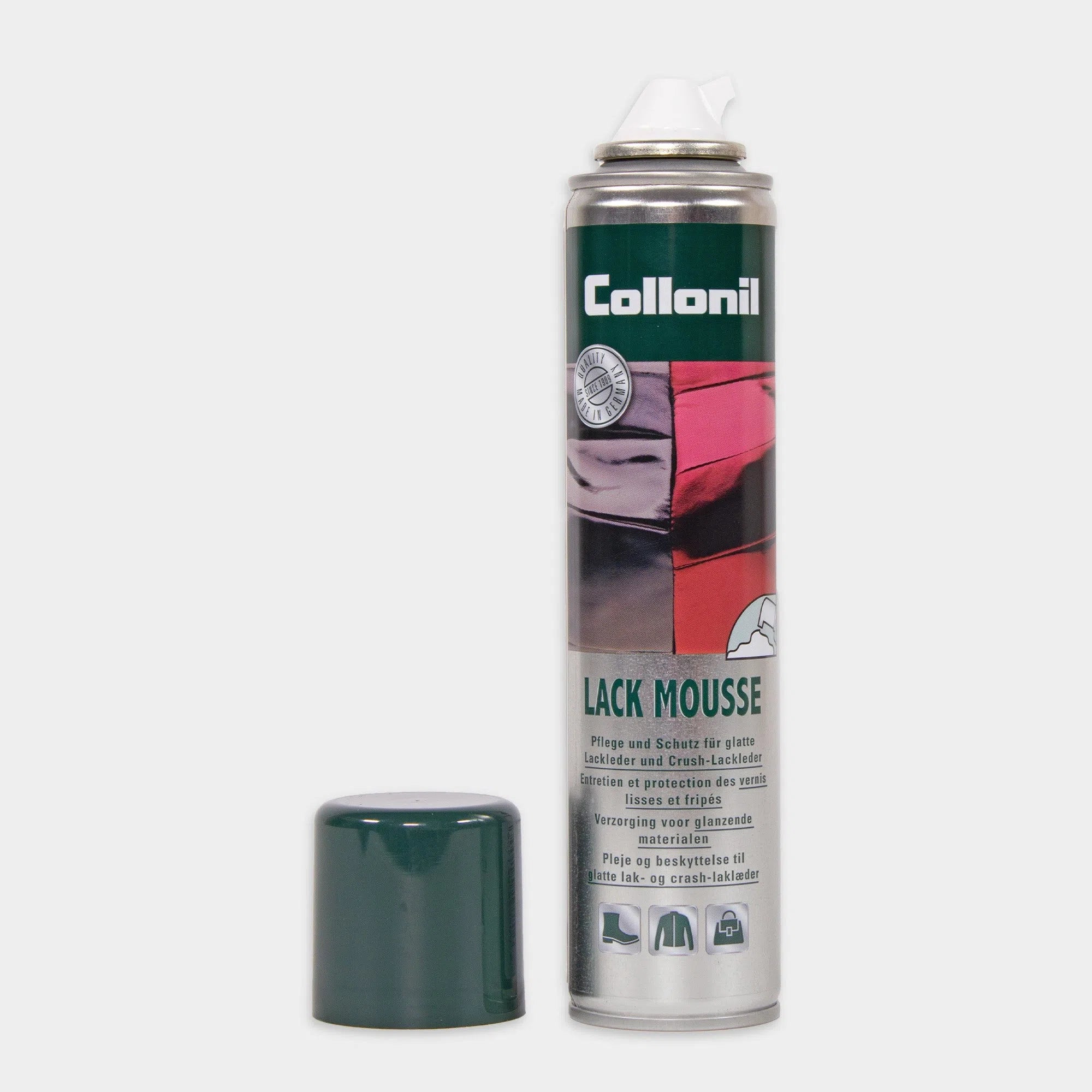
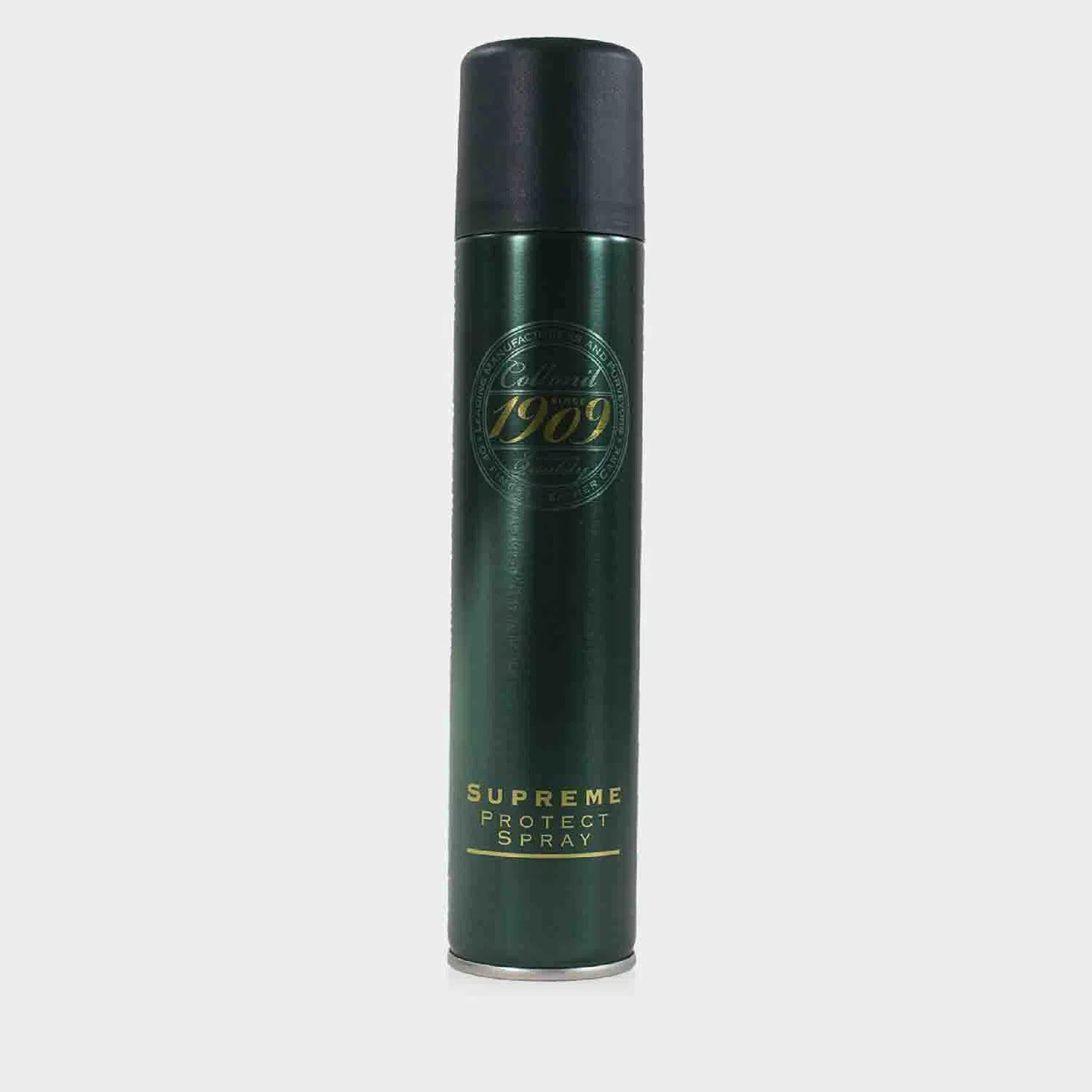
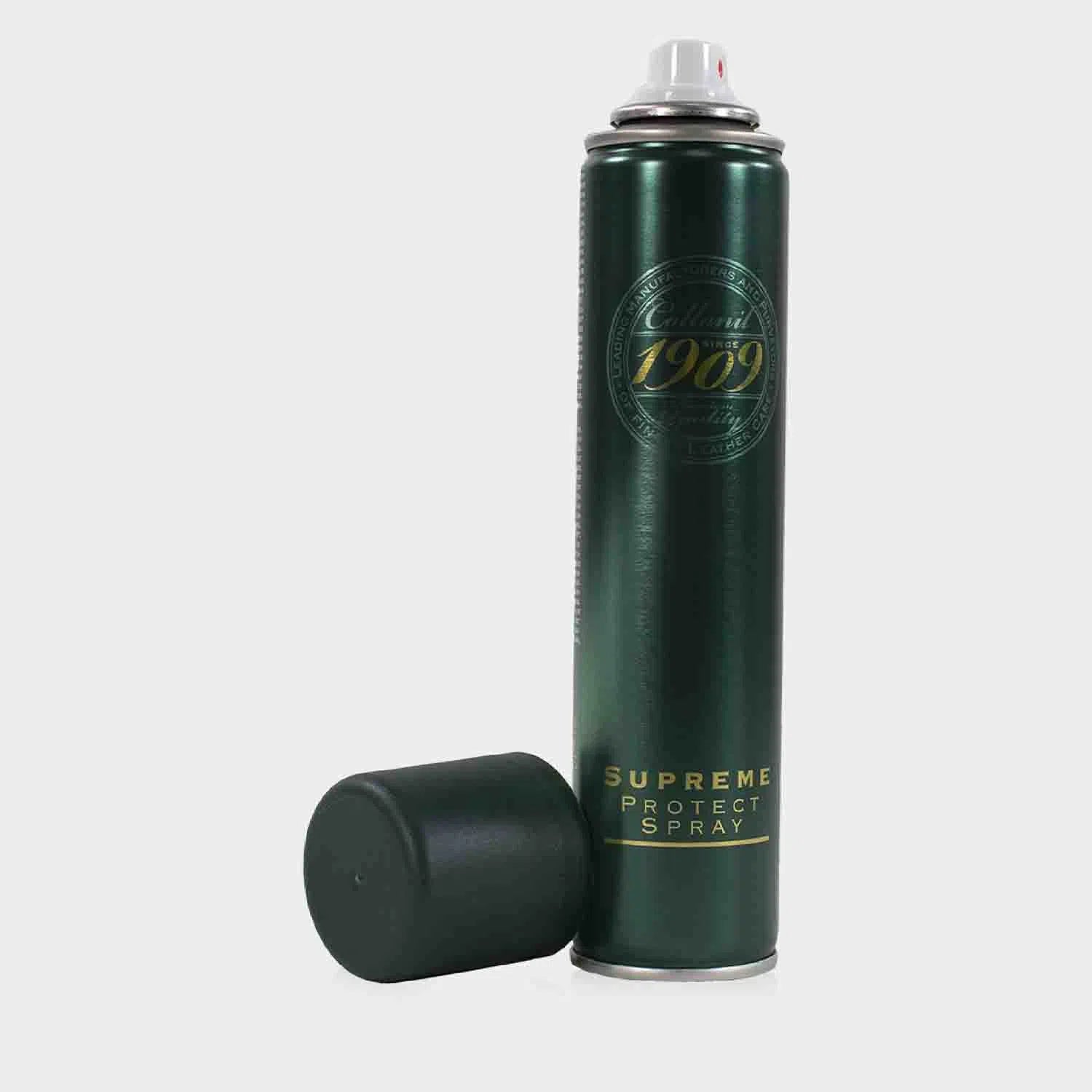
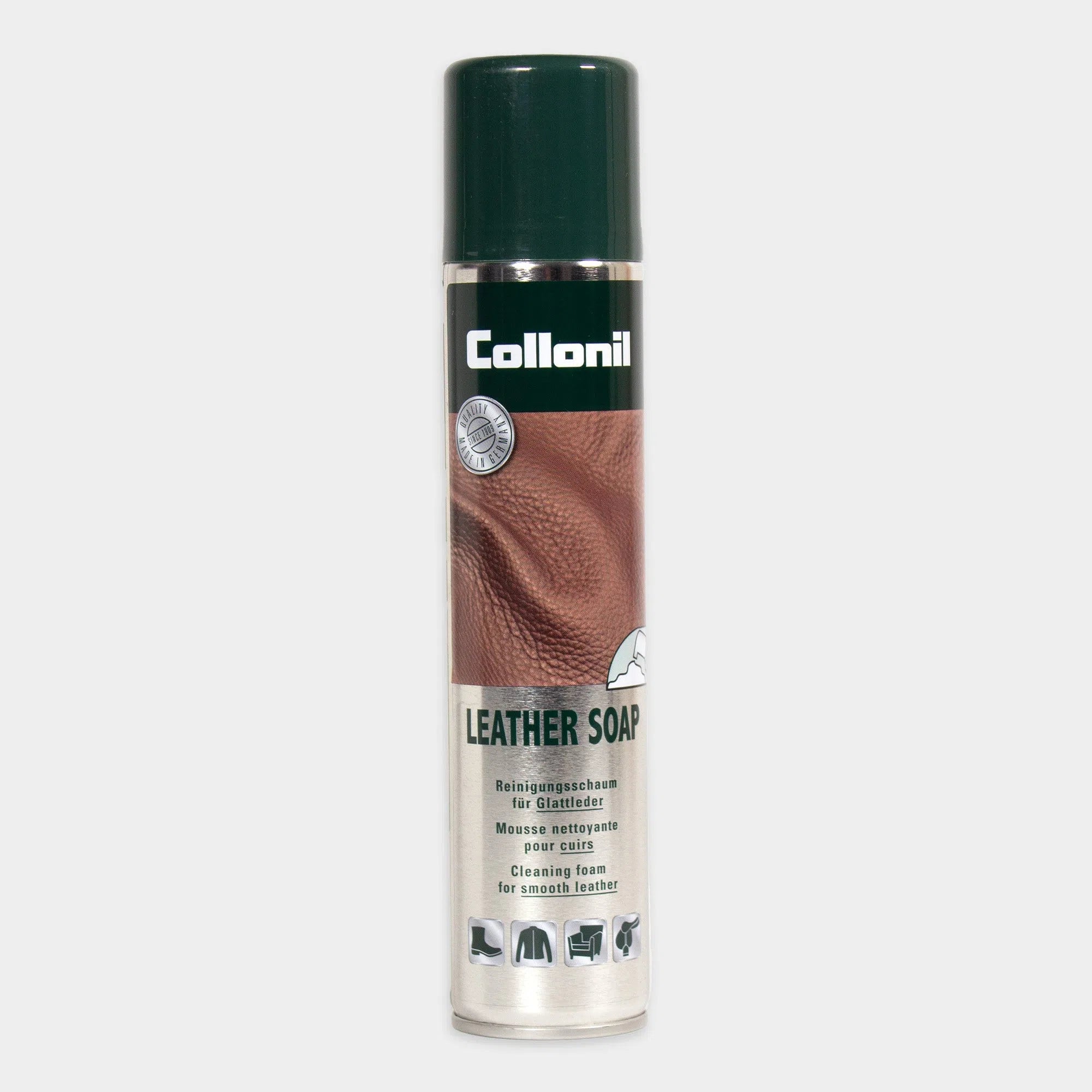
Our care products